

Polyamory Dating Carlingford 2026: A Local’s Guide to Open Relationships
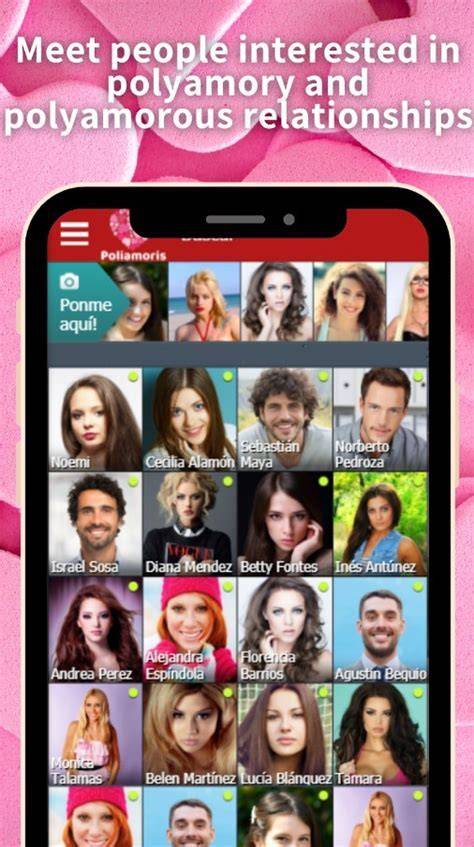
So, you’re in Carlingford. Maybe you’re staring out the window of that high-rise near the station, or sitting in a café on Pennant Hills Road, and you’re thinking: “Monogamy? Not for me.” Or maybe you’re already in the thick of it, juggling calendars and emotions like a pro. This is for you. Polyamory in Carlingford in 2026 isn’t some fringe thing anymore. It’s here, it’s real, and honestly, it’s messier and more beautiful than any dating app algorithm could predict. Let’s get into it. No judgment, just the raw stuff.
What Does Polyamory Actually Mean for People Living in Carlingford Right Now?
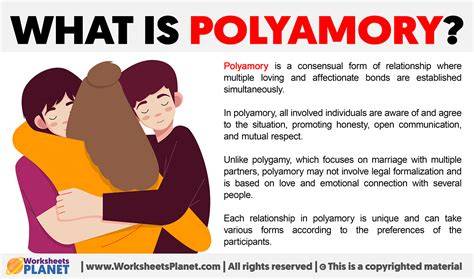
It means your Tuesday night might be a date at the Carlingford Court food court, and your Saturday is a deeper connection with someone else. It’s not about swinging or just sex — though, let’s be real, that can be part of it. It’s about having the consensual freedom to form multiple loving relationships. In 2026, with rent the way it is and everyone living on top of each other, the old “don’t ask, don’t tell” models are dead. They just are. Here, it’s about radical honesty, even when that honesty stings.
The landscape has shifted. By 2026, the initial “shock” of non-monogamy in suburbs like Carlingford has worn off, replaced by a more nuanced, sometimes confused, acceptance. Your neighbors might still gossip, but they’re also quietly curious. The key is that polyamory here is anchored in the local reality — proximity to the M2, the quiet hum of family homes, and the search for genuine intimacy beyond the swipe. It’s less about abstract philosophy and more about “how do I explain this to my mum without her having a heart attack?”
And there’s a specific texture to dating here. Carlingford feels like a border town — caught between the sprawling Hills District and the denser Parramatta region. That geographic ambiguity mirrors the relationship style itself. You’re navigating worlds. One foot in the conventional, another in something far more fluid. 2026 has seen a rise in local polyamory meetups, not in loud city pubs, but in quieter spaces — a booked-out room at the Carlingford library, a private function at a local bowling club. It’s suburban polyamory. Quieter. More deliberate. More real.
I think the biggest shift I’ve seen lately is the move away from purely online dating. People are exhausted. The apps feel like part-time jobs. So, the focus has shifted to building community first. Finding your people, then seeing where connections naturally spark. It’s slower, sure. But it’s also less likely to end in a text-message ghosting disaster.
Where Do You Actually Find Polyamorous or Open-Minded Partners Near Carlingford in 2026?
Honestly? It’s not always where you’d think. The obvious answers are apps — Feeld, OKCupid (still surprisingly good for this), even Hinge if you’re clever with your prompts. But 2026 Carlingford has its own underground map.
Is Feeld the best app for poly dating in the Hills District?
Feeld is probably the heavy hitter. It’s where the “sexually adventurous” and the “emotionally complex” collide. You’ll see profiles from Parramatta, Epping, all the way up to Castle Hill. But here’s the thing — the algorithm can be a black box. You’ll swipe for hours, get a few matches, and then… nothing. It’s a tool, not a solution. Don’t rely on it exclusively. In 2026, people are adding their usernames to their profiles, trying to bypass the system entirely. It’s a bit of a mess, honestly.
Are there any local spots in Carlingford where you can meet like-minded people?
This is where it gets interesting. Forget dedicated “poly bars” — they don’t exist here. Instead, look for the fringes. The independent bookshop that hosts a spoken word night. The yoga studio that offers “consent-based” adjustment workshops. The monthly board game night at the back of a local café that’s known for being LGBTQ+ friendly. These are the vectors. You’re not looking for a polyamory sign-up sheet; you’re looking for communities where alternative lifestyles are the norm. There’s a pottery studio near Telopea that, for some reason, is a total hotbed of ethically non-monogamous creatives. I’m not making this up. Go figure.
And let’s not ignore the power of existing networks. Friends of friends. The “poly potluck” is a sacred institution in 2026. Someone rents out a community hall in North Rocks, everyone brings a plate of food and their plus-ones (and plus-twos), and you just… mingle. It’s low pressure. You eat bad pasta salad and have surprisingly deep conversations about jealousy with a stranger. That’s the gold. That’s how you meet people — through the extended web of trust.
How Do You Navigate Jealousy When Your Partner is on a Date in Carlingford and You’re Home Alone?
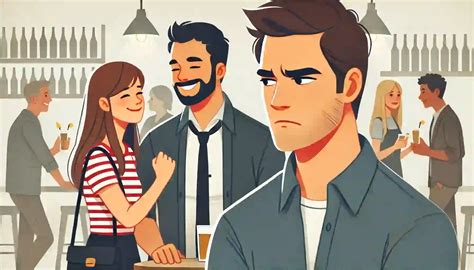
Oh, the classic. The green-eyed monster, sitting on your couch, eating your snacks. Jealousy isn’t a sign you’re failing at polyamory; it’s a sign you’re human. The trick is what you do with it. Compersion — that word everyone throws around — is great when it happens, but it’s not the default. And pretending it is will break you.
Is jealousy a sign that polyamory isn’t working for you?
No. Absolutely not. Let’s kill that myth right now. Jealousy is information. It’s a flashing red light on your emotional dashboard saying “inspect this.” It might mean you need more quality time. It might mean you’re feeling insecure about your own position in their life. It might just mean you’re hangry. Seriously. Sometimes a feeling is just a feeling, not a relationship verdict. In 2026, with all the noise about “healed” and “unhealed” people, we’ve created this pressure to be perfect emotional specimens. We’re not. You’re not. I’m not. You’ll feel jealous. You’ll feel petty. The win is in how you communicate it. “Hey, I’m feeling really shitty and left out right now. I don’t need you to come home, but can we have a proper check-in tomorrow?” That’s the gold standard.
The geography of Carlingford actually plays into this. If your partner is on a date at a restaurant near the station, and you’re at home in the suburbs west of Pennant Hills Road, the distance feels both physical and emotional. It’s close enough to imagine, far enough to feel isolated. My advice? Create a ritual for those nights. Don’t just sit and wait. Go to the gym. Visit a friend in Dundas. Have your own night. It breaks the obsessive loop of “what are they doing right now?”
And for the love of god, don’t text them every ten minutes. Nothing kills a new connection faster than the buzz of a phone with “you ok?” from a nervous partner. Trust the plan. Trust the process. And if you can’t, that’s the conversation to have, not the text to send.
Polyamory and Escort Services in Sydney: Where’s the Line in 2026?

This is the unspoken layer. The intersection of ethical non-monogamy and paid companionship. In 2026, the walls are thinner. With the cost of living, the emotional labor of dating, and the sheer complexity of managing multiple relationships, some people in the poly community incorporate professional sex workers into their lives. It’s not as taboo as it was.
Can hiring an escort be part of an ethical polyamorous relationship?
It can be, but the ethics depend entirely on the “ethical” part. Is it consensual? Is everyone informed? Are you using it to fill a gap you’re not getting at home, or is it a shared fantasy you’re exploring? There’s no blanket answer. I’ve seen couples in Epping who hire a sex worker together to explore a threesome dynamic safely, without the emotional landmines of “dating” a third person. I’ve also seen individuals in open relationships use escorts because they crave a specific kind of sexual encounter that their current partners can’t or don’t want to provide. It’s a transaction, yes. But transactions can be respectful, clear, and even affectionate.
The key in 2026 is the destigmatization of the industry itself. More sex workers are vocal about consent, boundaries, and professionalism. Engaging with an escort, in this context, is sometimes cleaner than navigating the messy feelings of a “free” hookup. You pay, you have your time, everyone knows the parameters. It’s a different kind of intimacy, but it’s still a human connection. The challenge is integrating that into a poly framework without creating secrecy. Secrecy is the poison. Always.
But let’s be real: “dating” in the traditional sense and hiring a professional are different beasts. Don’t confuse the two. An escort isn’t your new partner. They’re a professional providing a service. If you catch feelings, that’s a whole new conversation — one that probably needs to start with your wallet and their boundaries.
Sexual Attraction and Polyamory: Does It Have to Be Equal for Everyone?
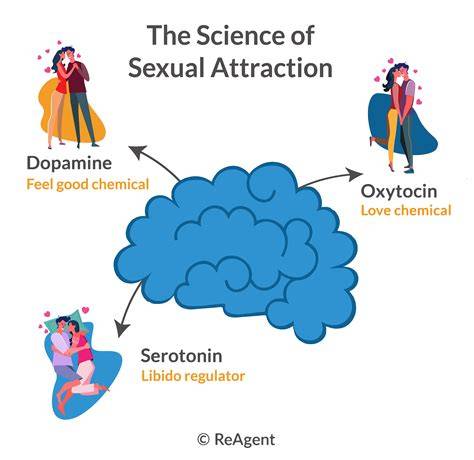
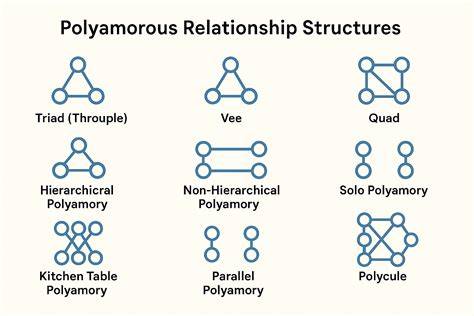
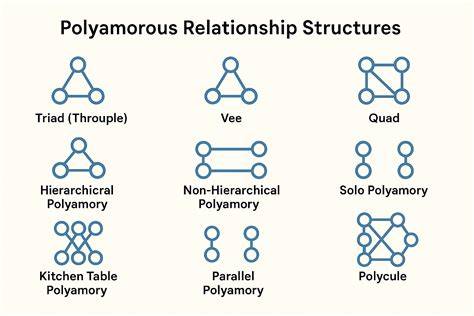
God, no. This is a trap. The “kitchen table poly” ideal — where everyone is friends and the attraction is evenly spread — is a nice fantasy. It’s also statistically rare. In reality, attraction is chaotic. It’s spiky. You might be deeply in love with your nesting partner but have hotter, more experimental sex with someone you see once a month. That’s allowed. It doesn’t mean the first relationship is broken.
What if I’m more attracted to my new partner than my old one?
Then you’ve got some work to do. New Relationship Energy (NRE) is a hell of a drug. It’s the butterflies, the obsession, the chemical high. It’s not real love — not yet. It’s potential. The mistake people make, especially in 2026 with its fast-paced lifestyle, is mistaking NRE for a sign that their older relationship is dead. It’s not. It’s just settled. It’s comfortable. It’s the difference between a fireworks display and a warm fireplace. Both are light. Both are heat. They just feel different.
If you’re feeling this, don’t panic. Don’t immediately blow up your life. Ride the wave of NRE, yes — enjoy it — but don’t neglect the home front. Bring some of that energy back. Date your long-term partner again. Surprise them. The grass is greener where you water it, and all that. It’s a cliché because it’s true.
And sometimes… the attraction just fades. It happens. People grow. Polyamory doesn’t fix that. It just gives you a framework to acknowledge it without the immediate catastrophe of a breakup. You can transition. You can de-escalate. You can become friends who co-parent the dog. It’s not failure. It’s evolution.
What About the Practicalities: Safe Sex and Health in a Poly Network?
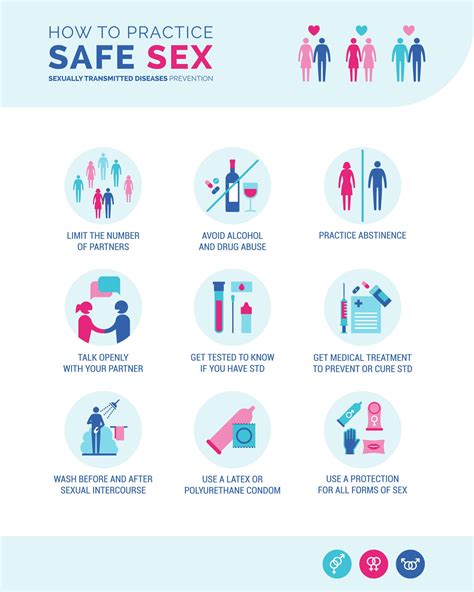
Let’s get clinical for a second. This matters. In 2026, we have better tools, better testing, and better treatments. But the anxiety is still there. How do you manage STI risk when you have multiple partners, and they have multiple partners? It’s a web. A sexy, complicated web.
How often should you get tested if you’re polyamorous in Sydney?
Every three months is the gold standard if you’re actively dating and sexually active with new people. Seriously. Put it in your calendar. There are clinics in Parramatta and even some telehealth options now that are fast and discreet. It’s not just about your health; it’s about collective responsibility. Your risk profile affects everyone in your network, and their network, and so on. It’s a chain of trust.
And the conversation… god, the conversation. “Hey, before we have sex, can we talk about your last test and other partners?” It can kill the mood. It can also build trust. In 2026, the norm is moving towards sharing results. Screenshots, PDFs, whatever. It’s not romantic, but neither is a course of antibiotics. Be upfront. Be boring about it. The people worth sleeping with will appreciate the diligence. The ones who balk? Probably not worth the risk anyway.
Barriers are another choice. Some polycules are fluid-bonded within a small group and use barriers with others. Some use barriers with everyone. Some have different rules for different acts. It’s all personal. The only rule is that everyone needs to know the rules. Surprises are for birthdays, not STI statuses.
How Do You Explain Polyamory to Your Kids or Your Family in Carlingford?
This is the suburban tightrope. Carlingford has great schools, family parks, and a pretty conservative undercurrent. Coming out as poly to your kids or your parents is a whole different beast than coming out to your friends.
Will my neighbors judge my family for being polyamorous?
Some will. Let’s be real. Some will whisper. But 2026 is a different world. The kids at school are growing up with so many family models — same-sex parents, single parents, grandparents raising grandkids. Another caring adult in a kid’s life? Honestly, kids adapt. They care about who picks them up from school, who helps with homework, who shows up to their soccer game at Mike Kenny Oval. If there are multiple stable, loving adults in their life, that’s a net positive. The challenge is the adult drama. The comings and goings. If you’re cycling through partners every few months, that’s destabilizing for kids. If you have a stable polycule — maybe a nesting partner and another long-term partner who is around — kids just see another aunt or uncle.
Talking to your parents is harder. They might not get it. They might use words like “sinful” or “selfish.” My only advice is to focus on the love and the stability. “Mum, I have two partners. We all support each other. We’re happy. Doesn’t that matter?” It might not work. It might take years. Some bridges just smolder for a while before they catch. You have to decide if setting yourself on fire to keep them warm is worth it. Usually, it’s not.
Polyamory and Loneliness: The Paradox of 2026
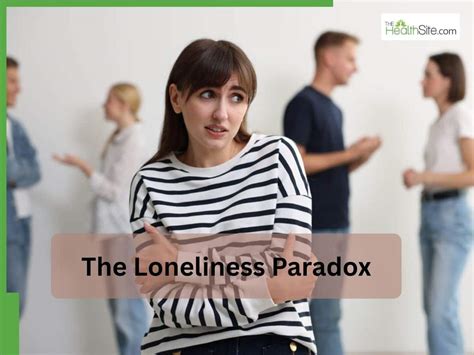
Here’s the thing nobody tells you. You can have multiple partners and still feel profoundly alone. You can have a full calendar and an empty chest. Polyamory isn’t a cure for loneliness. In fact, sometimes it amplifies it. You see your partner with someone else, feeling that spark, and you think, “Why don’t I have that?” Or you have a bad day and your primary partner is on a date, and you’re stuck with your thoughts.
It forces you to sit with yourself. To not rely on a single person to fill every void. And that’s terrifying for some people. In 2026, with the rise of AI companions and digital connection, the craving for real, messy, physical human presence is stronger than ever. Polyamory offers more chances for that connection. But it also offers more chances for rejection, for miscommunication, for the unique loneliness of being in a crowded room and feeling unseen. The structure doesn’t save you. You have to do the work. You have to build a self that is whole enough to share, not broken pieces looking for other pieces to complete a puzzle. That’s the real work. And it never ends.
The Future of Poly Dating in Carlingford: A 2026 Snapshot

Looking ahead, just a bit. What’s next? I think the trend is toward integration. Less “look at me, I’m poly!” and more “this is just my life.” The dating apps will get smarter, or maybe they’ll die out, replaced by local community networks. I think we’ll see more poly-friendly professionals — counselors, real estate agents who understand group housing needs, financial advisors who get that three adults might want to buy a house together. That’s the 2026 reality check. It’s not just about who you love; it’s about how you live. And in a place like Carlingford, with its mix of old houses and new developments, the potential for creating new kinds of homes, new kinds of families, is actually pretty exciting. It’s messy. It’s uncertain. But it’s ours.